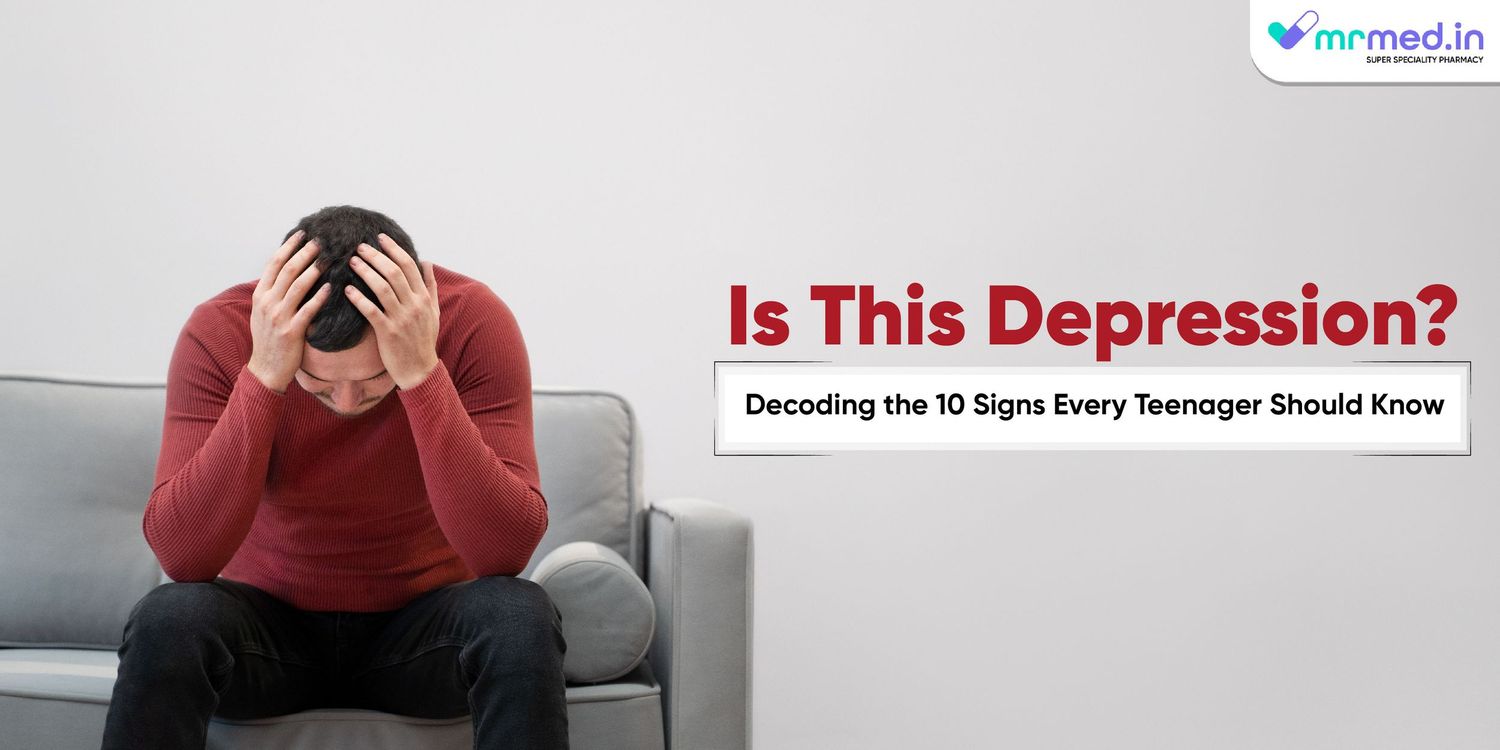
Is This Depression? Decoding the 10 Signs Every Teenager Should Know
The teenage years are a time of significant change and growth, but they can also be a period of emotional turbulence. It’s not uncommon for teenagers to experience mood swings, confusion, and stress. However, when these feelings persist, it might be more than just typical teenage angst. Understanding the signs of depression in teenagers is crucial, as early intervention can make a significant difference in overcoming depression and promoting mental health.
Which of the following are the 10 symptoms of depression?
Depression in teenagers can manifest in various ways, often different from how it appears in adults. Here are some common signs to watch out for:
Persistent Sadness or Irritability
One of the most noticeable symptoms of depression is a prolonged feeling of sadness or irritability. Teenagers might appear unusually downcast, tearful, or easily angered. This persistent emotional state can interfere with their daily activities and interactions.
Loss of Interest in Activities
Teenagers experiencing depression often lose interest in activities they once enjoyed. Hobbies, sports, and socialising may no longer seem appealing, leading to withdrawal from friends and family.
Changes in Sleep Patterns
Depression can significantly impact sleep. Some teenagers may experience insomnia, finding it difficult to fall asleep or stay asleep. Others might sleep excessively, using it as an escape from their feelings.
Academic Decline
A noticeable drop in academic performance can be a red flag. Depression can impair concentration, memory, and motivation, making it challenging for teenagers to keep up with schoolwork and participate in class.
Physical Complaints
Depression can also manifest through physical symptoms such as headaches, stomachaches, and other unexplained aches and pains. These symptoms are often linked to the body's response to emotional distress.
Changes in Appetite and Weight
Significant changes in eating habits, whether increased or decreased appetite, can be indicative of depression. These changes often lead to noticeable weight loss or gain.
Feelings of Worthlessness and Guilt
Teenagers with depression may express feelings of worthlessness, excessive guilt, or self-blame. They might be overly critical of themselves and feel that they are a burden to others.
Difficulty Concentrating
Struggling to focus on tasks, make decisions, or remember details can be a sign of depression. This cognitive impairment can affect all areas of a teenager's life, from academics to personal relationships.
Withdrawal from Social Interactions
A tendency to isolate oneself and avoid social interactions is common among teenagers with depression. They may pull away from friends and family and previously enjoyed social activities.
Thoughts of Death or Suicide
In severe cases, depression can lead to thoughts of death or suicide. It's essential to take any mention of self-harm or suicide seriously and seek immediate professional help.
What exactly is anxiety?
Anxiety often accompanies depression, and the two conditions can exacerbate each other. Recognising the symptoms of stress can help in understanding the full scope of a teenager's mental health struggles. Common symptoms of anxiety include excessive worry, restlessness, and physical symptoms such as sweating, trembling, and rapid heartbeat.
What are the top 5 causes of depression?
Depression is a complex condition with no single cause. Various factors can contribute to its development, including:
Genetic Predisposition
A family history of depression or other mental health disorders can increase the risk of depression in teenagers. Genetic factors play a significant role in the susceptibility to depression.
Environmental Stressors
Stressful life events such as bullying, family conflict, or academic pressure can trigger depression. Chronic stress from adverse environments can have a lasting impact on mental health.
Biological Changes
The hormonal and neurological changes that occur during adolescence can contribute to the development of depression. Imbalances in brain chemicals like serotonin and dopamine are linked to depressive symptoms.
Trauma and Abuse
Experiencing trauma or abuse, whether physical, emotional, or sexual, is a significant risk factor for depression. The psychological impact of such experiences can be profound and long-lasting.
Substance Abuse
The use of drugs or alcohol can both result from and contribute to depression. Substance abuse can alter brain chemistry and exacerbate depressive symptoms.
What techniques are used to treat depression?
Overcoming depression requires a multifaceted approach that often involves professional treatment and lifestyle changes. Here are some effective strategies:
Professional Therapy
Cognitive-behavioural therapy (CBT) is a widely used approach that helps teenagers identify and change negative thought patterns and behaviours. Other therapeutic approaches, such as interpersonal therapy and family therapy, can also be beneficial.
Medication
In some cases, antidepressant medications may be prescribed to help manage the symptoms of depression. A healthcare professional must closely monitor medications to ensure their effectiveness and manage any side effects.
Lifestyle Changes
Encouraging a healthy lifestyle can significantly impact mental health. Regular physical activity, a balanced diet, and adequate sleep are essential components of well-being.
Support Systems
Having a strong support system is vital for teenagers dealing with depression. Support can come from family, friends, teachers, or support groups. Open communication and understanding are key to providing the necessary support.
Mindfulness and Relaxation Techniques
Practicing mindfulness and relaxation techniques, such as yoga, meditation, and deep breathing exercises, can help reduce stress and improve emotional regulation.
Role of Supplements
Natural supplements, such as Magiccann Classic CBD OIL 1000mg, are gaining popularity for their potential to alleviate symptoms of depression and anxiety. CBD oil, derived from the cannabis plant, is believed to interact with receptors in the brain that regulate mood and stress.
Consulting a Healthcare Professional
If you suspect your teenager is dealing with depression, consult a healthcare professional for a comprehensive evaluation. A mental health professional can provide a diagnosis and recommend appropriate treatment options.
In cases where a teenager expresses suicidal thoughts or engages in self-harm, immediate crisis intervention is necessary. Contacting a crisis hotline or seeking emergency medical help can provide the urgent support needed.